







25-year-old AI investor’s $16 billion bet hits a brutal reality check
Leopold Aschenbrenner built his hedge fund around the unstoppable rise of AI infrastructure. A sharp market reversal has forced it to unwind most positions
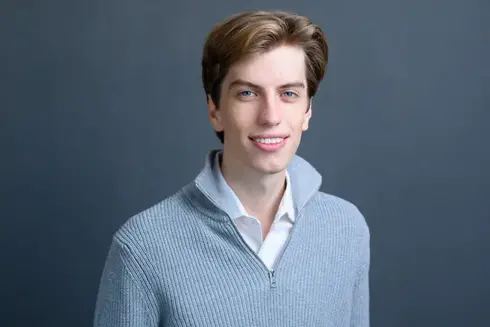
Leopold Aschenbrenner’s hedge fund, Situational Awareness, is closing most of its positions after suffering major losses from concentrated bets on artificial intelligence stocks. Citadel, the hedge fund founded by billionaire investor Ken Griffin, has stepped in to purchase part of the fund’s trading portfolio after a sharp selloff forced Situational Awareness to unwind much of its public equity positions.
The fund suffered a dramatic reversal in July as investments in AI infrastructure companies declined and several trades failed to deliver the expected returns. According to Reuters, Situational Awareness’ roughly $16 billion public equities portfolio lost 67% of its value during the month, forcing the fund to liquidate most of its positions.
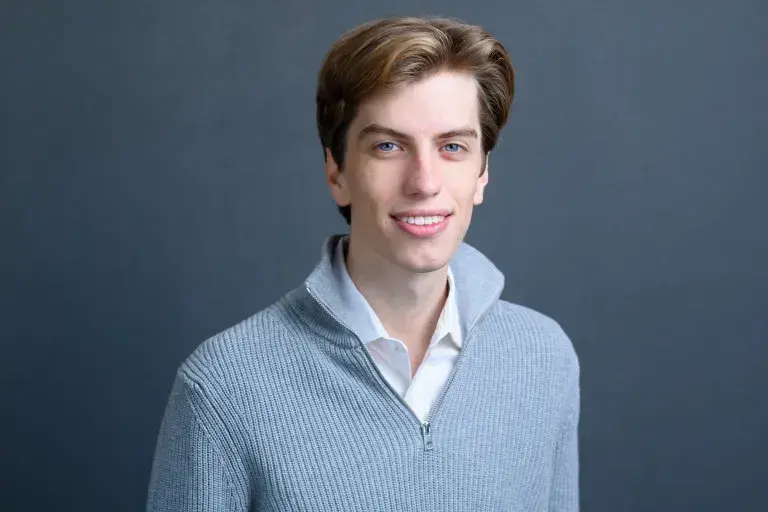
Citadel executives moved quickly after Wall Street rumors emerged that a major hedge fund was under pressure. Griffin assembled senior members of his team to analyze Situational Awareness’ positions, liquidity and risk exposure before reaching out to Aschenbrenner. By Thursday, Citadel had acquired a portion of the fund’s portfolio.
Aschenbrenner acknowledged the losses in a letter to investors, writing: “We let you down.”
The situation remains a major test for Aschenbrenner, who built Situational Awareness around one of the most influential investment theses of the AI era: that increasingly powerful AI models would trigger an unprecedented expansion in demand for computing infrastructure, including advanced chips, memory, data centers and energy.
Aschenbrenner became one of the most closely watched young figures in AI investing after publishing a series of essays in 2024 arguing that rapid advances in artificial intelligence would require massive increases in global computing capacity.
Those arguments became the foundation for Situational Awareness after he left OpenAI. The fund focused heavily on companies expected to benefit from the AI infrastructure boom. Its holdings included semiconductor and data center companies such as SK Hynix, SanDisk, Micron and CoreWeave. Shares of several major positions declined sharply during the recent market selloff.
The turmoil represents an early and potentially important challenge to the investment strategy that made Aschenbrenner, 25, one of the most prominent voices predicting an AI-driven industrial transformation.
Aschenbrenner rose to prominence in technology and investment circles after arguing that the AI race would be defined not only by better models but by access to the physical infrastructure required to run them.
His thesis centered on a massive expansion in demand for computing power, including GPUs, memory, electricity generation and data centers. Investors embraced the idea as AI infrastructure stocks surged alongside the rise of companies such as Nvidia and other semiconductor suppliers.
But the same concentration that allowed Situational Awareness to benefit from the AI boom also exposed the fund to sharp losses when sentiment shifted.
The July downturn became a stress test for whether the AI infrastructure trade could continue its rapid rise or whether investors had moved too aggressively into companies already priced for extraordinary growth.
The rescue also highlights a familiar pattern for Ken Griffin and Citadel, which has repeatedly stepped in during periods of market stress to acquire distressed portfolios and talent.
Griffin previously used similar strategies during major hedge fund crises, including the collapse of Amaranth Advisors’ energy portfolio in 2006 and Sowood Capital’s losses during the 2007 financial crisis.
In 2021, Citadel and Point72 injected $2.75 billion into Melvin Capital after the hedge fund suffered losses during the GameStop trading frenzy.
Citadel’s approach has been to use periods of market turmoil to acquire assets and expertise when competitors are forced to sell.
Reuters reported that Citadel executives, including co-Chief Investment Officer Pablo Salame and other senior leaders, spent hours analyzing Situational Awareness’ positions before reaching a deal.
Aschenbrenner was already a controversial figure before entering the investment world.
He graduated summa cum laude from Columbia University at age 19 and joined OpenAI after graduation. In 2024, he was dismissed from the company for allegedly mishandling confidential information.
Aschenbrenner disputed the accusation, saying he had shared a non-confidential design document with outside researchers for feedback. He argued that his departure was linked to disagreements over concerns he had raised about OpenAI’s security practices.
His writings on AI risk and infrastructure helped make him a prominent voice among investors betting that artificial intelligence would reshape the global economy.
Now, his own fund is facing the harshest test yet of that vision.



